
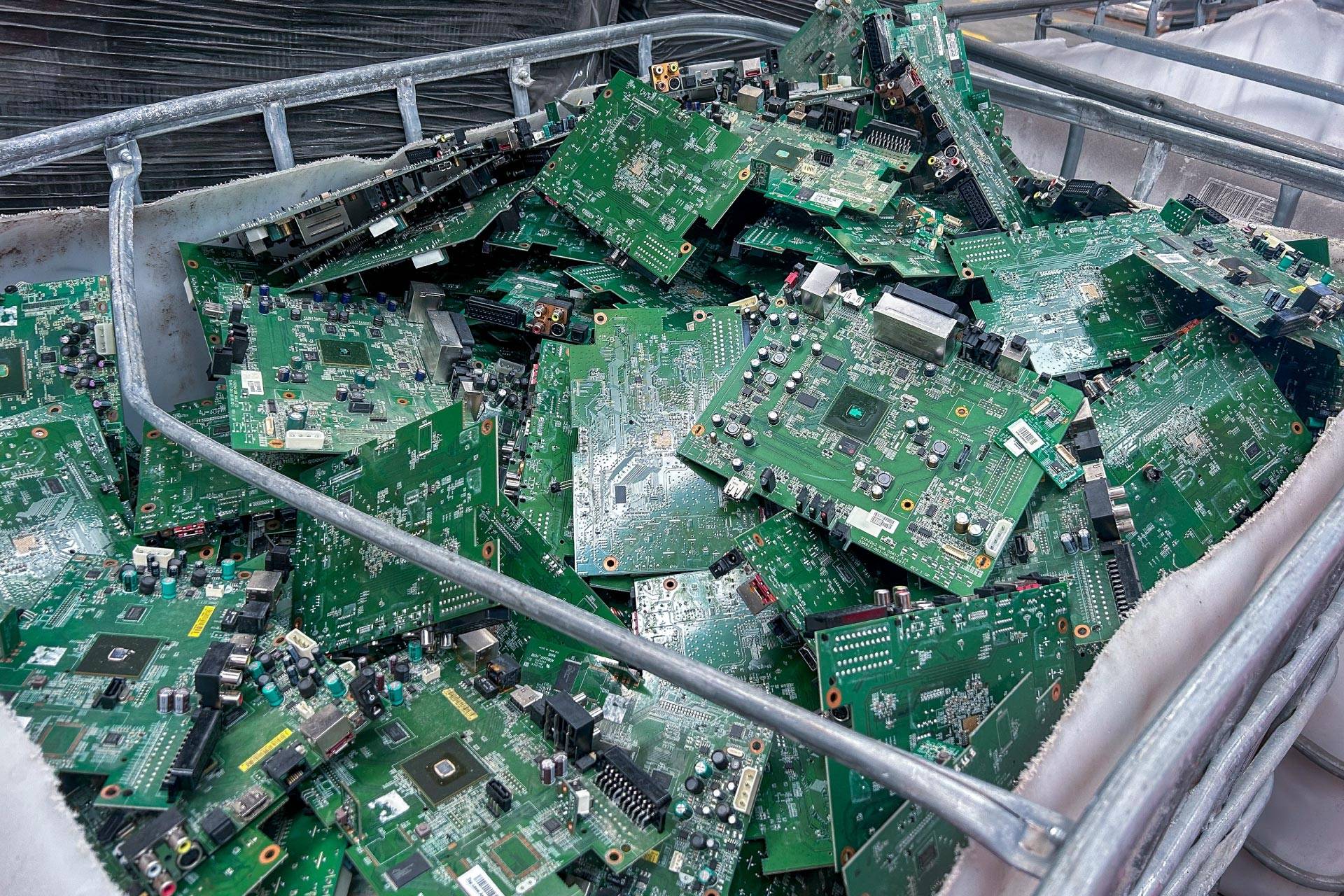
When your phone screen cracks, your tablet stops charging, or your computer starts acting up, replacing it might feel like the easiest solution. But before you start shopping for something new, consider what happens to the device you leave behind.
Choosing electronic device repair can extend the life of the technology you already own while helping reduce unnecessary electronic waste. Sometimes a new battery, screen, charging port, or other repair can give your device the extra life it needs.
At The Lab, we like to keep it simple: Repair, Don’t Replace!
Every Extra Year Can Make a Difference
Phones, tablets, and computers contain plastics, metals, batteries, circuit boards, and other components. Producing a new device requires manufacturers to source materials, manufacture components, assemble products, package them, and transport them.
When you repair a device instead of immediately replacing it, you keep your current technology in use longer. That means you can delay the need for another device and all the resources that go into producing it.
Think about some common problems that don’t necessarily mean the end for your device:
- Cracked or damaged screens
- Batteries that won’t hold a charge
- Charging port problems
- Water damage
- Speaker or microphone issues
- Damaged buttons
- Internal component problems
A professional diagnosis can help you understand what’s wrong and whether fixing it makes sense.
Repair Helps Keep Electronics Out of Landfills
Old electronics don’t belong in the trash.
Electronic devices contain valuable materials, including copper, aluminum, silver, gold, and other metals. They can also contain materials that require responsible handling. When electronics end up in landfills instead of proper recycling channels, we lose materials that recyclers could potentially recover and reuse.
Choosing electronic device repair keeps a working device out of the waste stream for longer. If your device eventually reaches the point where a repair no longer makes sense, responsible recycling gives you another way to reduce its environmental impact.
The Lab offers free electronic recycling, so you don’t have to toss that old phone or tablet into a drawer forever or send it to a landfill.
Repair Can Also Help Your Wallet
Making an environmentally responsible choice doesn’t always require spending more money.
A repair may cost significantly less than purchasing a brand-new phone, tablet, or computer. It can also save you the hassle of transferring files, setting up accounts, downloading apps, and learning a new device.
Repair can make particular sense when:
- Your device still meets your everyday needs
- One damaged component causes the problem
- The repair costs less than a reasonable replacement
- You want to keep your photos, files, and familiar setup
- Your device still has plenty of useful life left
Of course, repair won’t always provide the best option. If a device has extensive damage, very little remaining value, or repair costs that approach its replacement value, buying another device may make more sense. The goal isn’t to repair at any cost. It’s to make a smart, informed decision.
Small Choices Add Up
One repaired screen might not feel like a major environmental victory, but think about how many electronics your family uses every day. Then multiply that by thousands of households.
Extending the life of devices whenever practical can reduce waste one phone, tablet, and computer at a time.
That’s one reason The Lab has made thousands of repairs since 2018. Our technicians help customers find practical solutions before they assume they need something new.
Choosing electronic device repair allows you to save money, reduce waste, and get more value from technology you already own.
Before you replace a broken device, let The Lab take a look. Start your repair or visit us in downtown Warsaw, Indiana, and we’ll help you decide what makes the most sense for your device.
Frequently Asked Questions
Is repairing electronics better for the environment?
Repair can help reduce electronic waste by keeping phones, tablets, computers, and other devices in use longer. Extending a device’s useful life can also delay the need to manufacture and purchase a replacement.
When should I repair instead of replace my device?
Consider repair when your device still meets your needs and has a fixable problem, such as a cracked screen or worn battery. A technician can help you compare repair costs with the device’s current value.
What should I do if my device can’t be repaired?
Recycle it responsibly instead of throwing it away. The Lab offers free electronic recycling and separates device components, so appropriate recycling facilities can handle the materials.
Can I recycle an old phone at The Lab?
Yes. You can bring old phones and other eligible electronic devices to The Lab for free recycling. If your device still has enough value, The Lab may also offer to purchase it.
Does The Lab repair more than phones?
Yes. The Lab works on phones, tablets, Apple computers, game consoles, circuit boards, and other electronics. The team can evaluate your device and recommend your next step.
PakarPBN
A Private Blog Network (PBN) is a collection of websites that are controlled by a single individual or organization and used primarily to build backlinks to a “money site” in order to influence its ranking in search engines such as Google. The core idea behind a PBN is based on the importance of backlinks in Google’s ranking algorithm. Since Google views backlinks as signals of authority and trust, some website owners attempt to artificially create these signals through a controlled network of sites.
In a typical PBN setup, the owner acquires expired or aged domains that already have existing authority, backlinks, and history. These domains are rebuilt with new content and hosted separately, often using different IP addresses, hosting providers, themes, and ownership details to make them appear unrelated. Within the content published on these sites, links are strategically placed that point to the main website the owner wants to rank higher. By doing this, the owner attempts to pass link equity (also known as “link juice”) from the PBN sites to the target website.
The purpose of a PBN is to give the impression that the target website is naturally earning links from multiple independent sources. If done effectively, this can temporarily improve keyword rankings, increase organic visibility, and drive more traffic from search results.

